




control of single acting hydraulic cylinder
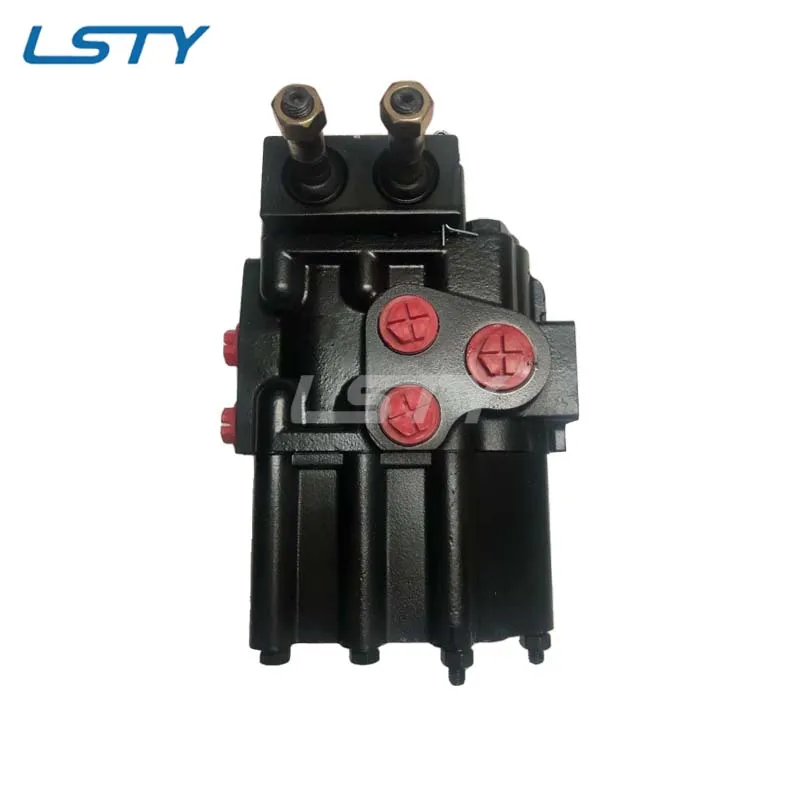
Introduction to Advanced Hydraulic Control Systems In the realm of industrial automation and mobile machinery, the precise control of fluid power is paramount for operational efficiency and safety. At the heart of many sophisticated hydraulic circuits lies the directional control valve hydraulic , a critical component that directs fluid flow to actuators, enabling controlled movement and force application. These valves are indispensable for a wide array of applications, from heavy construction equipment to intricate manufacturing lines. Understanding their functionality, technological advancements, and integration capabilities is essential for engineers and procurement specialists seeking optimal performance and reliability in their hydraulic systems. Modern hydraulic systems demand components that offer not only robustness but also intelligent control, energy efficiency, and extended service life. The evolution of directional control valve hydraulic technology has seen significant strides, particularly with the advent of high-precision manufacturing and advanced materials. This article delves into the critical aspects of these valves, providing insights into their design, operational characteristics, and strategic selection for diverse industrial needs. Industry Trends and Technological Advancements The hydraulic industry is continuously evolving, driven by demands for greater efficiency, miniaturization, and integration with digital control systems. Key trends impacting directional control valve hydraulic design include: Electro-hydraulic Integration: A significant shift towards electro-hydraulic directional control valve solenoid technology for finer control, remote operation, and integration with PLCs and other industrial automation platforms. This allows for precise proportional control of flow and pressure. Energy Efficiency: Development of load-sensing capabilities and variable displacement pumps to reduce energy consumption, crucial for meeting stricter environmental regulations and reducing operational costs. Compact Design: The increasing popularity of the monoblock valve and hydraulic monoblock valve designs, which integrate multiple spool sections into a single, compact casting. This reduces potential leak points, simplifies plumbing, and saves space in mobile and industrial applications. Smart Hydraulics: Integration of sensors for real-time monitoring of pressure, temperature, and flow, enabling predictive maintenance and enhanced diagnostic capabilities. Robustness and Material Science: Advancements in materials and surface treatments for enhanced corrosion resistance, wear resistance, and higher pressure ratings, extending the service life of components in harsh environments. Technical Specifications and Product Deep Dive: SD18 Series The SD18 Directional Control Valves represent a prime example of advanced hydraulic monoblock spool valve technology. Designed for demanding applications, particularly in agricultural machinery, these sectional control valves offer robust performance and precise control. Key specifications define their operational envelope and suitability for specific tasks. SD18 Directional Control Valve Hydraulic – Key Parameters Parameter Specification (SD18 Series) Nominal Flow Rate Up to 120 L/min Max. Operating Pressure 315 bar (4568 psi) Spool Positions 3-position, 4-way; 2-position, 4-way Actuation Options Manual, Pneumatic, Electro-pneumatic, Hydraulic, Electro-hydraulic Port Sizes P, T, A, B ports: 3/4" BSP; N port: 1/4" BSP (typical) Operating Temperature -20°C to +80°C Body Material High-grade Cast Iron (e.g., GGG-40) Spool Material Hardened and Ground Steel (e.g., 38CrMoAl) Typical Application Agricultural machinery, material handling, construction equipment These specifications highlight the SD18 series as a robust solution for applications requiring significant flow rates and high operating pressures, typical in demanding mobile hydraulics. The availability of multiple actuation options provides flexibility for integration into various control schemes, from simple manual levers to complex electro-hydraulic systems, optimizing the performance of the hydraulic directional control valve monoblock. The Manufacturing Process of a Directional Control Valve Hydraulic The production of a high-quality directional control valve hydraulic is a meticulous process demanding precision engineering, advanced material science, and stringent quality control. This process ensures the valve's durability, reliability, and performance under extreme conditions. Manufacturing Process Steps: Step 1: Material Selection and Preparation High-grade cast iron (e.g., EN-GJS-400-15 or GGG-40) is typically chosen for the valve body due to its excellent machinability, strength, and vibration damping properties. Spools are made from hardened and ground alloy steel (e.g., 38CrMoAl or 42CrMo4) to ensure superior wear resistance and precise fit. Seals and O-rings are selected from Nitrile (NBR) or Viton (FKM) for compatibility with various hydraulic fluids and temperature ranges. Step 2: Casting or Forging of Valve Body The valve body is typically cast using sand casting or shell molding techniques to achieve the intricate internal porting required for hydraulic fluid pathways. For high-pressure or specialized applications, forging may be used for superior material grain structure and strength. This initial stage defines the overall structural integrity of the monoblock control valve. Step 3: CNC Machining and Precision Grinding The cast or forged blanks undergo extensive CNC machining to create precise spool bores, port connections, mounting interfaces, and pilot channels. This is a critical stage where tight tolerances (often within micrometers) are maintained to ensure minimal leakage and smooth spool operation. Spools are ground to a mirror finish, then heat-treated for hardness, and finally finish-ground to match the bore with extreme precision, a fundamental aspect for any hydraulic monoblock valve. Step 4: Surface Treatment and Finishing Internal surfaces of the valve body may undergo processes like honing to achieve ideal surface roughness for sealing and low friction. External surfaces are often coated (e.g., phosphating, powder coating) to provide corrosion resistance, crucial for applications in petrochemical and water supply & drainage industries, enhancing the service life of the valve. Step 5: Assembly and Integration Skilled technicians assemble the various components, including spools, springs, seals, and actuation mechanisms (e.g., solenoid coils, manual levers). Proper lubrication and precise torquing are essential to ensure optimal performance of the monoblock directional control valves. Step 6: Testing and Quality Assurance Every finished valve undergoes rigorous testing protocols to verify performance. This includes: Leakage Testing: To ensure internal and external sealing integrity at various pressures. Flow and Pressure Drop Testing: To confirm flow capacity and minimal pressure loss according to design specifications. Cycle Testing: Simulating thousands of operational cycles to assess durability and service life. Actuation Force/Current Testing: Verifying the correct operation of manual or solenoid actuators. Adherence to Standards: Valves are tested against international standards like ISO 4401 (mounting interfaces), ISO 6403 (symbols), and ANSI B93.7 (fluid power valves), ensuring global compatibility and performance benchmarks. These meticulous steps ensure that each directional control valve hydraulic component meets the highest standards for reliability and operational performance, offering advantages such as energy saving through optimized flow paths and superior corrosion resistance. Application Scenarios and Case Studies The versatility of directional control valve hydraulic systems makes them indispensable across a multitude of industries. Their ability to precisely control the flow and direction of hydraulic fluid translates into critical functions in various machines. Typical Application Scenarios: Agricultural Machinery: Used extensively in tractors, combines, and agricultural implements for controlling hydraulic cylinders that operate loaders, ploughs, seeders, and spray booms. The SD18 series, with its 120 L/min flow, is specifically designed for these demanding agricultural tasks. Construction Equipment: Essential for excavators, bulldozers, cranes, and backhoes, directing fluid to lift, dig, and articulate various machine components. Proportional directional control valve solenoid options provide smooth and precise movements for fine grading or heavy lifting. Material Handling: Found in forklifts, stackers, and industrial lifts, controlling the raise, lower, and tilt functions of forks and platforms. Industrial Automation: Integrated into presses, machine tools, and assembly lines for precise clamping, positioning, and actuation of manufacturing processes. Petrochemical and Mining: In these harsh environments, robust and corrosion-resistant directional control valves are critical for operating heavy machinery, drilling rigs, and safety systems, where uptime and reliability are paramount. Marine and Offshore: Used in steering gears, winches, and platform stabilization systems, requiring components resistant to saltwater corrosion and extreme loads. Case Study: Enhancing Agricultural Tractor Performance A leading agricultural machinery manufacturer sought to upgrade the hydraulic control system for their new line of high-horsepower tractors. The primary challenge was to achieve more precise and responsive control over multiple implements, including front loaders and three-point hitches, while also improving fuel efficiency. They chose to integrate Autolsty's SD18 hydraulic monoblock valve with electro-hydraulic actuation. Solution Implemented: SD18 120L/min monoblock control valve with integrated load-sensing capabilities and proportional solenoid controls. Results Achieved: Enhanced Precision: Operators reported a 25% improvement in the precision of implement control, leading to more efficient and accurate field operations. Fuel Efficiency: The load-sensing feature reduced unnecessary pump flow, resulting in an average of 7% fuel saving during typical operating cycles. Operator Comfort: Smoother and more responsive controls significantly reduced operator fatigue. Reduced Downtime: The robust design and rigorous testing of the SD18 series contributed to a 15% reduction in hydraulic system-related service calls over the first two years of operation. This case study exemplifies how high-quality directional control valve hydraulic solutions, like the SD18, directly contribute to operational improvements, cost savings, and enhanced user experience in demanding environments. Technical Advantages and Performance Metrics Modern hydraulic directional control valve monoblock units offer several distinct technical advantages that set them apart from older or less advanced designs. These advantages translate directly into improved system performance, reliability, and cost-effectiveness. High Pressure and Flow Capacity: Engineered to handle high working pressures (up to 315 bar) and significant flow rates (e.g., 120 L/min for SD18), enabling powerful and rapid actuation for heavy-duty tasks. Low Pressure Drop: Optimized internal flow passages minimize pressure losses, leading to higher system efficiency and reduced energy consumption. This directly contributes to energy saving initiatives. Modular and Sectional Design: While the SD18 is a monoblock, many advanced systems offer a sectional design, allowing for customization and easy maintenance by adding or removing individual sections. Monoblock units themselves offer inherent advantages in compactness and reduced leakage points. Variety of Control Options: From simple manual levers to sophisticated electro-proportional controls (directional control valve solenoid), these valves offer immense flexibility in system integration and control precision. Durability and Corrosion Resistance: Manufactured from high-strength cast iron and hardened steel components, often with protective coatings, ensuring long service life even in corrosive or abrasive environments, common in petrochemical and metallurgy industries. Integrated Safety Features: Many valves include built-in relief valves, anti-cavitation valves, and check valves to protect the hydraulic system and prevent uncontrolled movements, enhancing overall safety. Performance Comparison: Standard vs. Advanced Monoblock Valve Feature Standard Sectional Valve Advanced Hydraulic Monoblock Valve (e.g., SD18) Leakage Points Higher (multiple sections, O-rings between sections) Lower (single casting, reduced interfaces) Compactness Moderate (depends on number of sections) High (integrated design) Installation Complexity Higher (aligning sections, torquing bolts) Lower (single unit mounting) Internal Flow Path Optimization Good, but constrained by sectional joints Excellent (designed as a single fluidic block) Load-Sensing Integration Possible, often adds complexity Seamlessly integrated, highly efficient This comparison highlights the inherent benefits of modern monoblock designs, especially in terms of compactness and reduced leak potential, which are critical for reliability and maintenance in demanding applications. Vendor Comparison and Customized Solutions Selecting the right vendor for hydraulic components, particularly for critical items like directional control valve hydraulic , involves evaluating not just product specifications but also manufacturing capabilities, quality assurance, and customer support. Leading manufacturers differentiate themselves through a combination of standard product excellence and the ability to deliver tailored solutions. Key Factors in Vendor Selection: Certifications: Look for vendors with ISO 9001 for quality management, ISO 14001 for environmental management, and product-specific certifications (e.g., CE, RoHS). These indicate a commitment to quality and compliance. Manufacturing Expertise: Evaluate their use of advanced manufacturing technologies (CNC, robotic assembly) and rigorous in-house testing facilities. R&D Investment: Vendors who invest heavily in research and development are more likely to offer cutting-edge solutions like advanced hydraulic monoblock spool valve designs and electro-hydraulic proportional control. Customization Capabilities: The ability to modify standard designs (e.g., special porting, specific spool functions, alternative actuation types) is crucial for unique application requirements. Global Support Network: For international operations, a vendor with a strong global presence, including sales, service, and spare parts, is invaluable. Customized Solutions Many B2B clients require more than off-the-shelf components. Customized monoblock directional control valves can be engineered to meet precise operational parameters, spatial constraints, or integration challenges. This might include: Tailored Spool Configurations: Designing unique spool land arrangements for specific flow characteristics or multiple simultaneous functions. Integrated Functionality: Combining multiple hydraulic functions (e.g., pressure relief, flow control, regeneration) within a single monoblock valve to reduce component count and simplify plumbing. Special Materials and Coatings: Using corrosion-resistant alloys or specialized coatings for extreme environments (e.g., marine, high-salinity areas, chemical processing). Application-Specific Actuation: Developing custom solenoid drivers, joystick interfaces, or electronic control units (ECUs) to achieve desired machine response and control logic. Optimized Porting and Mounting: Customizing port sizes, types, and mounting patterns to seamlessly integrate with existing machinery or unique chassis designs. Collaborating with a vendor that demonstrates strong engineering capabilities and a flexible manufacturing approach can significantly enhance project success and the overall performance of the hydraulic system. Frequently Asked Questions (FAQ) Q1: What is the typical service life of a hydraulic directional control valve? A1: The service life of a directional control valve hydraulic largely depends on operating conditions, maintenance, and manufacturing quality. High-quality valves, manufactured to ISO standards and properly maintained, can typically achieve 5-10 years or 10,000-20,000 operating hours. Factors like fluid cleanliness, temperature, and pressure cycles significantly influence this. Q2: What maintenance is required for a monoblock control valve? A2: Regular maintenance includes checking for external leaks, ensuring mounting bolts are torqued correctly, and inspecting actuators (e.g., solenoid coils, levers) for wear or damage. Most critically, maintaining hydraulic fluid cleanliness according to ISO 4406 standards prevents internal wear and extends valve life. Replace seals and O-rings as part of preventive maintenance schedules if signs of degradation are observed. Q3: Can these valves be repaired, or do they need to be replaced? A3: Many hydraulic directional control valve monoblock units are designed for repair, particularly regarding external seals, solenoids, or springs. Internal spool and bore wear can be more complex to address and may necessitate replacement of the entire valve section or unit to ensure optimal performance and safety. Q4: What are the typical lead times for customized hydraulic valves? A4: Lead times for customized hydraulic valves can vary significantly based on complexity, material availability, and production queue. Standard valves typically have lead times of 2-4 weeks. For highly customized solutions, lead times can range from 8-16 weeks, including design, prototyping, and rigorous testing phases. It is crucial to engage with the vendor early in the design process to ensure timely delivery. Operational Details: Lead Time, Warranty, and Customer Support Understanding the logistical and support framework for your hydraulic components is as important as their technical specifications. Reputable suppliers offer clear policies on lead times, comprehensive warranty coverage, and robust after-sales support. Lead Time and Fulfillment: Autolsty, leveraging optimized manufacturing processes and supply chain management, typically offers competitive lead times: Standard Products (e.g., SD18 Series): Usually available for dispatch within 2-4 weeks, depending on order volume and specific configuration. Large Volume Orders: Tailored production schedules are provided, often with phased deliveries to align with project timelines. Customized Solutions: As noted in the FAQ, these projects have longer lead times (8-16 weeks) due to the extensive engineering and validation required. Fulfillment details, including shipping options and tracking, are communicated transparently to ensure efficient project management for our clients. Warranty Commitments: Autolsty products, including our hydraulic monoblock valve series, are backed by a comprehensive warranty, typically covering 12-24 months from the date of purchase or installation against defects in materials and workmanship. Specific warranty terms are provided with each product and project agreement. Our commitment adheres to international quality standards, reflecting our confidence in product durability and performance. Customer Support: Our dedicated technical support team provides expert assistance throughout the product lifecycle, from selection and integration to troubleshooting and maintenance. Services include: Technical Consultation: Assisting with product selection and system design optimization. Installation Guidance: Providing detailed instructions and best practices for proper installation. Troubleshooting: Remote and, if necessary, on-site support to diagnose and resolve operational issues. Spare Parts Availability: Ensuring readily available genuine spare parts for long-term serviceability. Training Programs: Offering training sessions for client engineering and maintenance teams on product features and best maintenance practices. Our goal is to ensure continuous, reliable operation of your hydraulic systems with minimal downtime. Conclusion The directional control valve hydraulic stands as a cornerstone of modern fluid power systems, driving precision, efficiency, and safety across numerous industries. From the meticulous selection of materials and advanced manufacturing techniques to rigorous testing and comprehensive support, every aspect of its production and deployment underscores its critical role. As industries continue to evolve, demanding smarter, more compact, and more energy-efficient solutions, the development of sophisticated hydraulic monoblock valves like the SD18 series will remain at the forefront of hydraulic innovation. Partnering with experienced manufacturers committed to quality, customization, and excellent service ensures the long-term success and optimal performance of your hydraulic applications. References Hydraulics & Pneumatics Magazine. "Trends in Hydraulic Valve Technology." Penton Media, 2023. International Organization for Standardization (ISO). "ISO 4401: Hydraulic fluid power – Four-port directional control valves – Mounting surfaces." Geneva, Switzerland, 2018. National Fluid Power Association (NFPA). "Fluid Power Standards and Technology." Milwaukee, WI, USA. Fluid Power Journal. "The Evolution of Mobile Hydraulic Control Valves." FPJ Publishing, 2022. Schröer, W. "Fluidtechnik: Hydrostatische Antriebe und Steuerungen." Springer Vieweg, 2019.
40 years of experience in manufacturing and 15 years of export experience

We can customize products according to the specific needs of customers.

High-quality products and strict test bench testing before package